
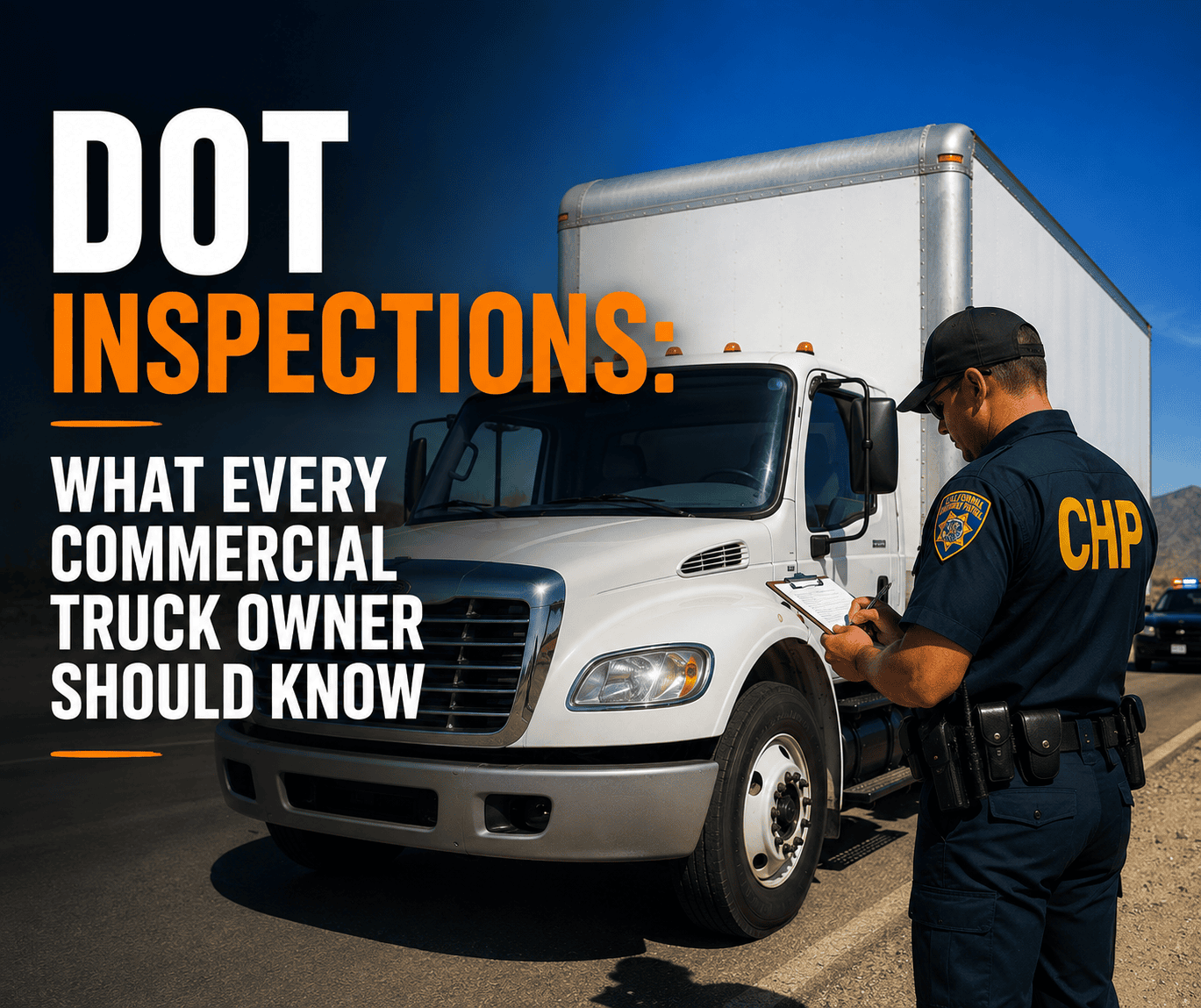
DOT inspections for commercial trucks are comprehensive evaluations mandated by the Federal Motor Carrier Safety Administration (FMCSA) to ensure compliance with safety regulations. During these inspections, a detailed DOT inspection checklist is utilized, covering critical aspects such as truck maintenance, vehicle safety systems, and driver qualifications. Commercial truck owners in California should be particularly aware of any specific requirements set forth by state authorities, including CHP truck inspections, to maintain commercial truck safety and avoid potential penalties. Regular participation in roadside truck inspections not only promotes adherence to safety standards but also enhances overall operational reliability. Maintaining accurate records of maintenance and inspections is crucial for compliance. Training drivers on safety protocols can significantly reduce the risk of violations during inspections. Investing in high-quality safety equipment and technology can help identify potential issues before they lead to inspections. Establishing a routine inspection schedule fosters accountability and ensures that trucks remain in optimal condition. By prioritizing safety and compliance, truck owners can create a more efficient and reliable operation.
The Federal Motor Carrier Safety Administration outlines several inspection levels, but the most common roadside check — a Level I inspection — covers both the driver and the vehicle. On the vehicle side, inspectors typically check brakes, tires, lights, steering, suspension, exhaust systems, and cargo securement. You can review the full breakdown of inspection levels directly through the inspection program.
The Most Common Reasons Trucks Get Flagged
- Worn brake components or uneven brake adjustment
- Tire tread depth below legal minimums or visible sidewall damage
- Non-functioning lights, especially brake lights and turn signals
- Leaking fluids — oil, coolant, or hydraulic fluid
- Improperly secured cargo, particularly on flatbeds
Most of these aren’t dramatic mechanical failures. They’re small maintenance items that got pushed off one too many times.
How to Prepare Before You’re Ever Pulled Over
The smartest operators treat every day like inspection day. That means a quick walk-around before you leave the yard — checking tires, lights, and fluid levels — becomes second nature rather than a scramble. Keep your maintenance records organized and accessible, both physically and digitally, so you can produce them quickly if asked.
What Happens If Your Truck Fails
Depending on the severity, a failed inspection can result in a fine, a required repair before you’re cleared to continue, or in serious cases, your truck being placed out of service until the issue is fixed. Out-of-service time is lost revenue, which is exactly why staying ahead of maintenance pays for itself many times over.
Why Buying an Already-Inspected Truck Matters
Starting with a truck that’s already passed a thorough mechanical inspection before you ever drive it off the lot puts you ahead of the game. You’re not guessing about brake life or tire condition — you already know.
Buy With Confidence From a Dealer Who Inspects First
Every truck at Mooji Truck Sales goes through a full mechanical inspection before it’s listed for sale — because we’d rather you find out about a potential issue from us than from a CHP officer on the side of the freeway. We’re a licensed and bonded California dealer with financing for all credit types.
Address: 2539 E Ave Q, Palmdale, CA 93550
Phone: (310) 883-5994
View our full truck inventory: https://moojitrucks.com/
Schedule a free visit today: https://calendly.com/moojitrucks/30min