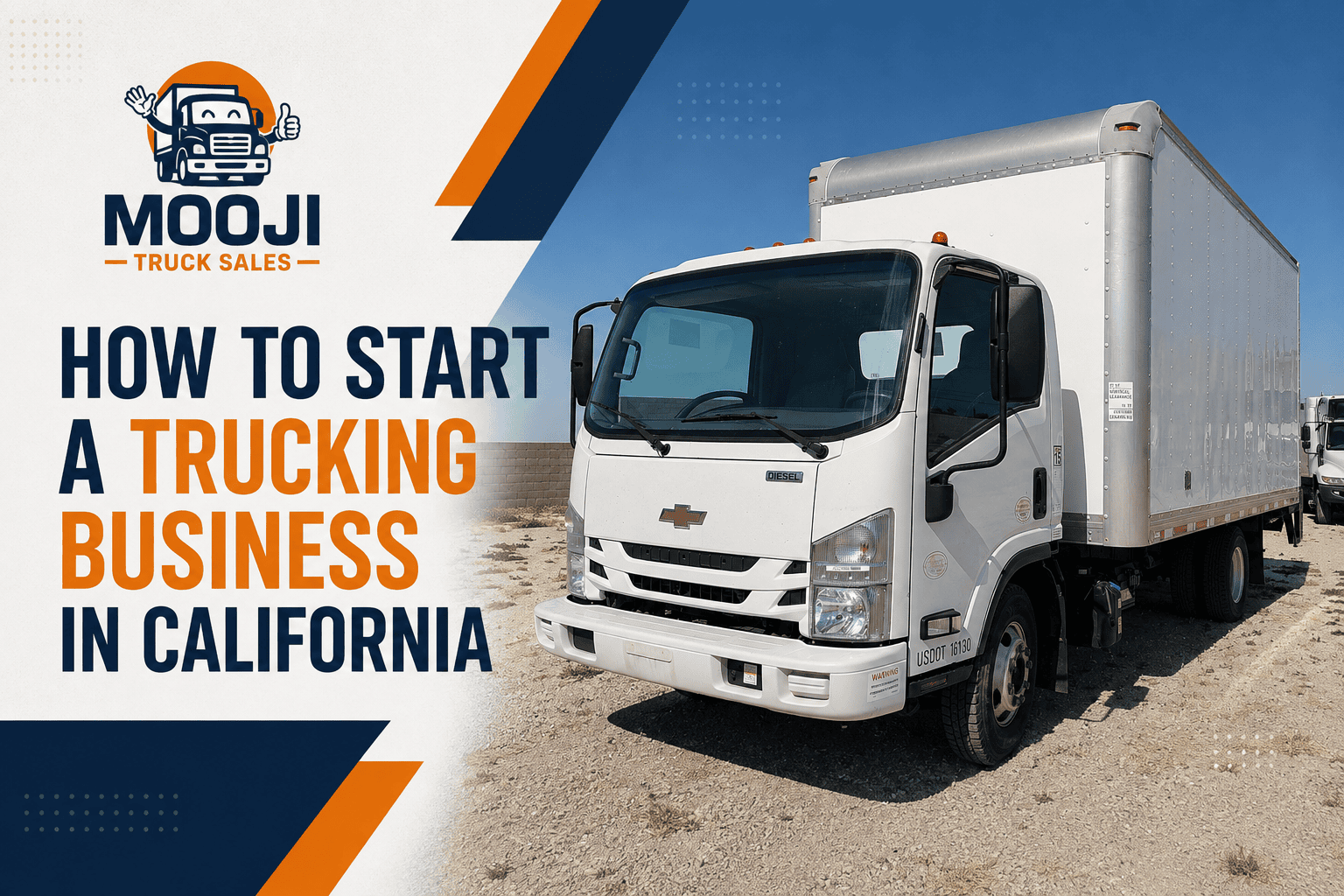
Every trucking company you’ve ever seen rolling down the 15 or the 10 started exactly where you are right now — with an idea, a little bit of capital, and a lot of questions. The good news? Starting a trucking business in California in 2026 is more accessible than most people think, especially if you avoid the mistakes that trip up half the people who try.
Step 1: Decide What You’re Actually Hauling
Before you even think about a truck, figure out your niche. Are you hauling local freight for warehouses in the Inland Empire? Doing last-mile delivery for a retailer? Running produce out of the Central Valley? Your answer changes everything downstream — the truck you buy, the license you need, and the insurance you’ll be quoted.
Step 2: Get Your Licensing Sorted
Here’s something a lot of new operators don’t realize: you don’t automatically need a commercial driver’s license. If the truck you’re running falls under 26,001 lbs GVWR, a standard California Class C license covers you. That single fact opens the door for a lot of first-time owners who don’t want to spend weeks in CDL training before they’ve made a dollar. You can check current licensing thresholds directly through the California DMV’s commercial vehicle guide.
Step 3: Register Your Business and Get Your MC/DOT Numbers
If you’re hauling for hire across state lines or under a broker, you’ll need a USDOT number and, in most cases, an MC number through the Federal Motor Carrier Safety Administration. Even if you’re staying local, it’s worth registering properly from day one — it saves you a scramble later when a bigger contract comes calling. The FMCSA registration portal walks through exactly what’s required.
Step 4: Buy the Right Truck — Not the Cheapest One
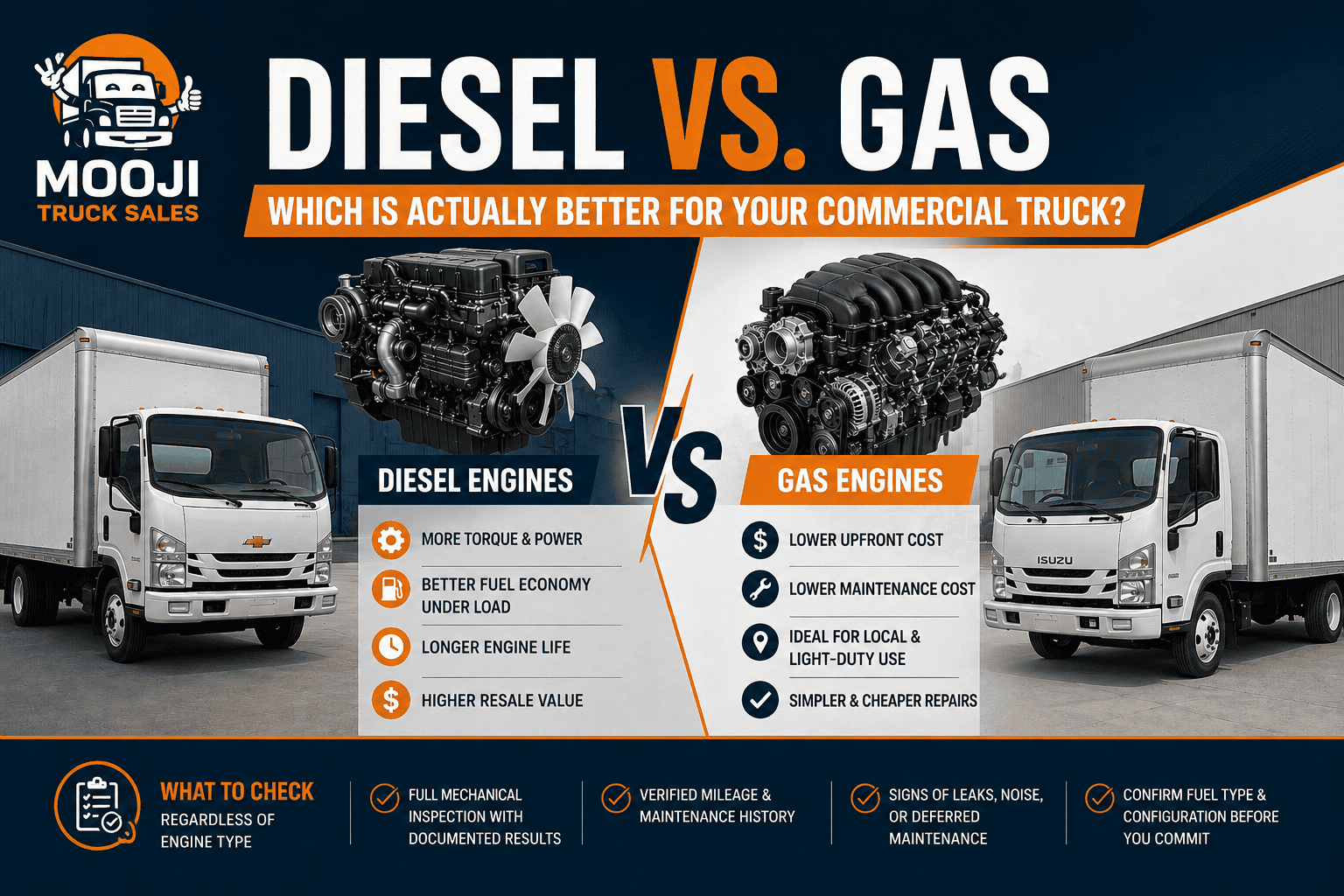
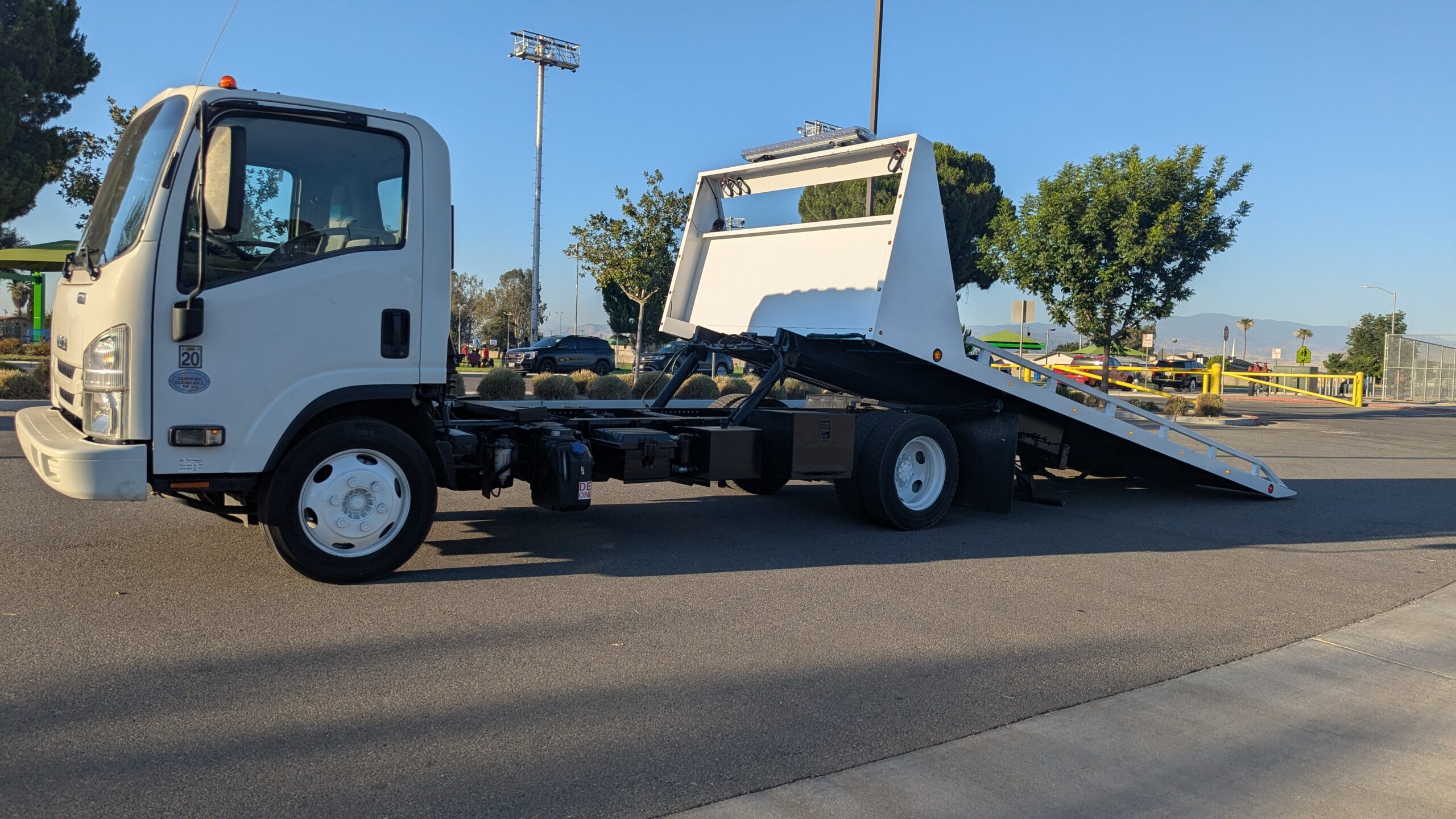
This is where a lot of new operators get it wrong. They chase the lowest price tag instead of the lowest total cost of ownership. A truck that’s $3,000 cheaper but breaks down in month two isn’t actually cheaper. Look for a dealer who inspects before they list, who can show you documented maintenance history, and who’s licensed and bonded — not just someone posting photos from a parking lot.
Step 5: Line Up Financing Before You Need It
Getting pre-approved before you start shopping puts you in a completely different negotiating position. It tells sellers you’re serious, and it keeps you from falling in love with a truck outside your actual budget. Most commercial lenders look well beyond your credit score — time in business, cash flow, and down payment all factor in.
Step 6: Get Insured and Get Moving
Commercial truck insurance isn’t optional, and it’s not the same as a personal auto policy. Rates vary widely based on your cargo type, driving record, and the truck itself, so shop around before you commit to a policy.
The Honest Truth About Starting Small
Most successful owner-operators didn’t start with a fleet. They started with one reliable truck, ran it hard, reinvested the profit, and grew from there. It’s not glamorous, but it works.
Ready to Find Your First Truck?
At Mooji Truck Sales, we work with first-time owner-operators every week — people just like you, taking that first step. Every truck on our lot is inspected before it’s listed, and we’re a licensed and bonded California dealer with financing options for all credit types.
Address: 2539 E Ave Q, Palmdale, CA 93550
Phone: (310) 883-5994
View our full truck inventory: https://moojitrucks.com/
Schedule a free visit today: https://calendly.com/moojitrucks/30min